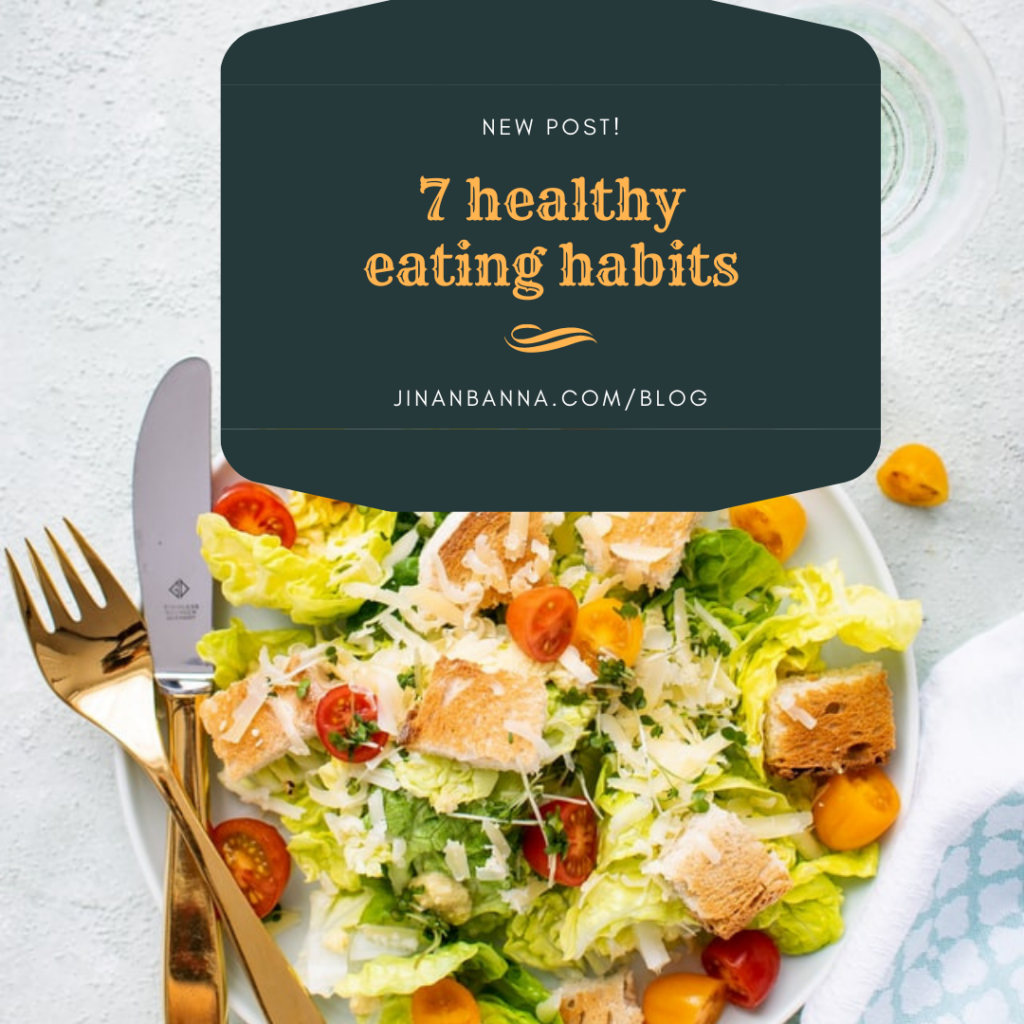









Healthy eating gets a bad reputation for being complicated, expensive, or joyless. The truth is that a few simple habits — ones that take almost no effort to maintain — can dramatically improve how you feel, how you look, and how long you live. You do not need to track every calorie or follow a strict meal plan. You just need to build a few good defaults.
1. Eat More Whole Foods, Less Packaged Stuff
You do not need to eat perfectly. But the more your diet consists of foods that look like what they are — vegetables, fruits, lean proteins, whole grains, nuts — the better. Packaged foods are often loaded with added sugar, sodium, and preservatives that make them easy to overeat. The more whole food you eat, the less of that you are dealing with.
2. Eat Protein at Every Meal
Protein is the most filling macronutrient. When every meal includes a meaningful protein source, you stay fuller longer, eat less total food, and have more stable energy. This is one of the simplest ways to eat less without feeling deprived.
3. Fill Half Your Plate With Vegetables
You do not need to love vegetables. You just need to make them take up space on your plate. When vegetables are half the meal, there is less room for the calorie-dense foods. And the fiber, vitamins, and minerals in vegetables support everything from digestion to immune function.
4. Slow Down When You Eat
Your stomach takes about 20 minutes to signal to your brain that you are full. People who eat quickly almost always eat more than they need. Put your fork down between bites, chew properly, and eat without screens in front of you. This single habit can reduce how much you eat at every meal without any deliberate dieting.
5. Stop Drinking Your Calories
Sodas, flavored coffees, juices, and energy drinks add hundreds of calories to your day without making you feel full. Switching to water, black coffee, or plain tea as your main drinks is one of the easiest ways to cut calories without feeling like you are restricting yourself.
6. Plan Your Meals Ahead
The reason people end up at fast food is that they got hungry and had no plan. If you spend 20 minutes on Sunday mapping out what you will eat that week, you make better choices every single day. You do not need to meal prep every dish — just knowing what you are going to eat removes the temptation to improvise badly.
7. Practice the 80/20 Rule
Eat well 80% of the time and stop stressing about the other 20%. Rigid, all-or-nothing approaches to eating lead to guilt, binging, and eventually giving up. Sustainable healthy eating includes pizza nights, birthday cake, and ice cream in summer. Allow yourself that and stay consistent the rest of the time.
Frequently Asked Questions
Do I need to count calories to eat healthy?
Not necessarily. Focusing on food quality and hunger cues is often more sustainable than counting numbers. That said, if you have a specific fat loss goal, tracking for a few weeks can be useful to understand portion sizes.
Is it okay to eat the same meals repeatedly?
Absolutely. Having a rotation of 5 to 10 go-to healthy meals is one of the most effective strategies for eating well consistently. Variety is nice but it is not required.
What is the single most important dietary change I can make?
For most people, cutting back on ultra-processed food and added sugar has the biggest single impact on health. Everything else builds from there.
Summing It Up
You do not need a perfect diet. You need a good-enough diet that you can maintain for years. These seven habits are small enough to start with today and powerful enough to produce real results over time. Pick one, make it a habit, then add another.