How to Start Working Out When You Have No Idea Where to Begin

You’ve decided you want to get in shape. Maybe a doctor nudged you, maybe your energy has been bottoming out, or maybe you just looked in the mirror one morning and thought — it’s time. Whatever brought you here, welcome. The hard part isn’t the workouts. The hard part is starting when everything feels overwhelming and you don’t know where to look first.

The fitness industry, unfortunately, loves to make this more complicated than it needs to be. Protein supplements, five-day splits, heart rate zones, macro tracking — all before you’ve even laced up your sneakers. Let’s cut through the noise.


Why Most Beginners Give Up Before Week Three

Here’s something the fitness world doesn’t advertise: most people quit not because they’re lazy, but because they started wrong. They went too hard, too fast, with no real plan. They burned out, got sore, felt discouraged, and stopped.

The secret to building a lasting workout habit isn’t motivation — it’s momentum. Small, consistent wins beat intense, irregular efforts every single time. That’s the foundation everything else builds on.


Step 1: Get Clear on Your “Why”

Before you pick a single exercise, spend five minutes thinking about why you want to work out. Not the surface-level answer — dig deeper.

“I want to lose weight” becomes “I want to feel confident at my sister’s wedding in six months.” That specificity matters. It gives your effort a purpose when the couch is calling.

Write it down. Put it somewhere you’ll see it.


Step 2: Choose a Starting Point That Matches Your Reality

The Gym vs. Working Out at Home

This is one of the first decisions beginners wrestle with, and both options genuinely work — the best one is whichever you’ll actually stick to.

Working out at home is convenient, private, and free. Bodyweight exercises like push-ups, squats, lunges, and planks build real strength. Apps like Nike Training Club and YouTube channels like Athlean-X offer free beginner programs with zero equipment needed.

Joining a gym gives you access to more equipment, structured classes, and — for some people — the social accountability that keeps them showing up. If you’re in the US, a basic gym membership at places like Planet Fitness runs about $10–$25/month, making it an affordable option.

Bottom line: Don’t overthink this. If you don’t have a gym nearby or hate the idea of going, start at home. You can always switch later.


Step 3: Pick a Simple Beginner Program (And Stick to It)

The biggest mistake new exercisers make is building a custom routine from random YouTube videos and gym-bro advice. Instead, follow a proven beginner program for at least 8–12 weeks before changing anything.

Solid Beginner Programs Worth Trying

  • StrongLifts 5×5 – A no-frills strength program built around five compound lifts. Three days a week. Great for anyone who wants to build muscle and strength simultaneously.
  • Couch to 5K (C25K) – A free running program that takes complete non-runners to a 5K finish line in nine weeks. Available as an app, it’s been around for years and has a massive community.
  • DAREBEE Foundations – A free, gym-free bodyweight program that builds overall fitness without a single piece of equipment.

You don’t need the most cutting-edge program — you need one that fits your schedule and that you’ll actually do.


Step 4: Master the Basics Before Worrying About Anything Else

New exercisers often skip over form and jump straight to loading up weights. That’s how injuries happen. Spend your first few weeks learning how to move correctly.

The Core Movement Patterns Every Beginner Should Know

  • Squat – The foundation of lower body strength
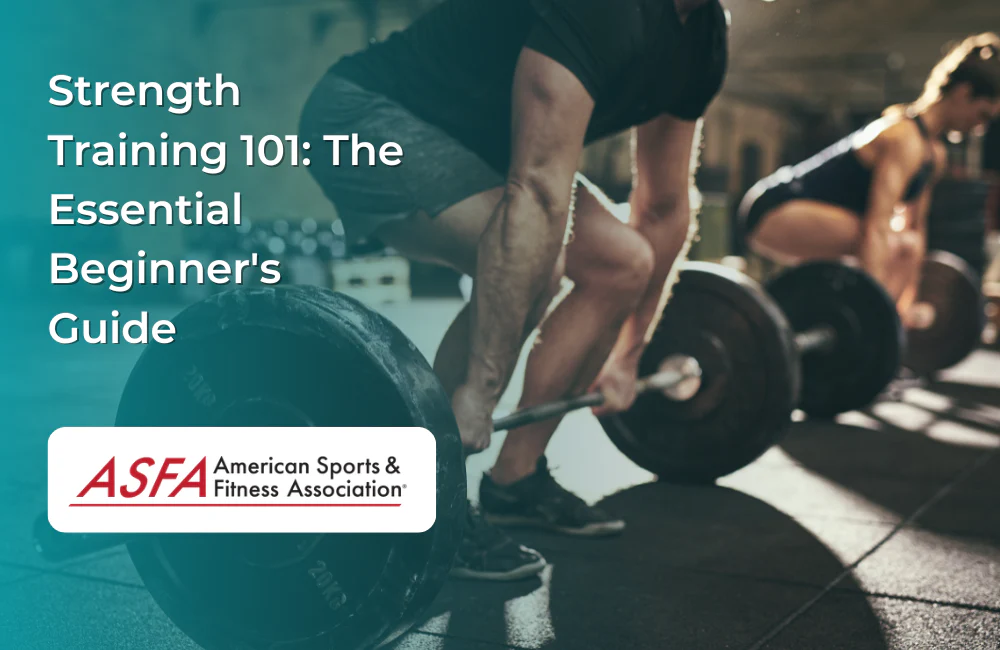
  • Hinge (like a deadlift or Romanian deadlift) – Protects your lower back and builds your posterior chain
  • Push (push-ups or bench press) – Chest, shoulders, triceps
  • Pull (rows or pull-ups) – Back and biceps
  • Core bracing – Not just crunches, but learning to stabilize your spine under load

Learning these six movement patterns properly is worth more than any advanced technique you’ll find on social media.


Step 5: Build Around Consistency, Not Perfection

You don’t need to work out six days a week. In fact, for most beginners, three days a week with rest days in between is ideal. Rest is when your muscles repair and grow — it’s not laziness, it’s biology.

Here’s a realistic beginner weekly schedule:

  • Monday: Full-body workout (30–45 minutes)
  • Wednesday: Light cardio or a walk (20–30 minutes)
  • Friday: Full-body workout (30–45 minutes)
  • Weekend: Active rest — walk, stretch, play with your kids, garden

That’s it. No need to complicate it.


Real-World Use Cases: What Works for Different Lifestyles

The busy parent: Short, efficient home workouts during nap time or after the kids are in bed. Ten to twenty minutes of bodyweight circuits is better than nothing — and it adds up fast.

The desk worker: A lunchtime walk plus two gym sessions per week can offset most of the damage from sitting eight hours a day and dramatically improves energy.

The over-40 beginner: Focus on mobility alongside strength. Yoga, light resistance training, and walking are incredibly effective and joint-friendly.

The complete couch potato: Don’t start at the gym. Start walking. Walk 20 minutes every day for two weeks. That alone will shift your mindset before you add anything else.


Pros and Cons of Starting a Workout Routine

Pros:

  • Improved energy, mood, and sleep quality within weeks
  • Long-term protection against chronic disease
  • Builds confidence and mental resilience
  • Can be free or very low-cost

Cons:

  • Initial soreness (DOMS) can be discouraging — it peaks around day 2 and fades with time
  • Progress feels slow at first
  • Requires scheduling and habit-building effort
  • Risk of injury if form is neglected early on

Frequently Asked Questions

How long before I see results? Physically noticeable changes typically take 4–8 weeks with consistent effort. You’ll likely feel better — more energetic, better sleep — within two weeks.

Do I need to change my diet to see results? You don’t need to overhaul everything at once. Start by adding more protein and water. Small changes compound over time.

What if I miss a workout? Skip it and move on. Missing one session doesn’t derail progress — missing a week because you beat yourself up over missing one session does. Consistency over time is all that matters.

Is soreness normal? Yes, especially in the first few weeks. Mild soreness means you worked muscles that weren’t used to it. Severe or sharp pain is different — that’s worth paying attention to.

Can I just do cardio and skip weights? You can, but you’re leaving serious benefits on the table. Strength training boosts metabolism, protects bone density, and helps with fat loss more effectively long-term than cardio alone.


The Bottom Line

Starting a workout routine isn’t about having the perfect plan, the right gear, or the ideal gym. It’s about showing up — imperfectly, consistently, and with the long game in mind.

Pick one simple program. Commit to three days a week. Learn to move well before you move heavy. And give yourself grace when life gets in the way, because it will.

Three months from now, you won’t recognize how far you’ve come — but only if you start today.

7 Healthy Eating Habits That Are Easy to Stick To

Healthy eating gets a bad reputation for being complicated, expensive, or joyless. The truth is that a few simple habits — ones that take almost no effort to maintain — can dramatically improve how you feel, how you look, and how long you live. You do not need to track every calorie or follow a strict meal plan. You just need to build a few good defaults.

1. Eat More Whole Foods, Less Packaged Stuff

You do not need to eat perfectly. But the more your diet consists of foods that look like what they are — vegetables, fruits, lean proteins, whole grains, nuts — the better. Packaged foods are often loaded with added sugar, sodium, and preservatives that make them easy to overeat. The more whole food you eat, the less of that you are dealing with.

2. Eat Protein at Every Meal

Protein is the most filling macronutrient. When every meal includes a meaningful protein source, you stay fuller longer, eat less total food, and have more stable energy. This is one of the simplest ways to eat less without feeling deprived.

3. Fill Half Your Plate With Vegetables

You do not need to love vegetables. You just need to make them take up space on your plate. When vegetables are half the meal, there is less room for the calorie-dense foods. And the fiber, vitamins, and minerals in vegetables support everything from digestion to immune function.

4. Slow Down When You Eat

Your stomach takes about 20 minutes to signal to your brain that you are full. People who eat quickly almost always eat more than they need. Put your fork down between bites, chew properly, and eat without screens in front of you. This single habit can reduce how much you eat at every meal without any deliberate dieting.

5. Stop Drinking Your Calories

Sodas, flavored coffees, juices, and energy drinks add hundreds of calories to your day without making you feel full. Switching to water, black coffee, or plain tea as your main drinks is one of the easiest ways to cut calories without feeling like you are restricting yourself.

6. Plan Your Meals Ahead

The reason people end up at fast food is that they got hungry and had no plan. If you spend 20 minutes on Sunday mapping out what you will eat that week, you make better choices every single day. You do not need to meal prep every dish — just knowing what you are going to eat removes the temptation to improvise badly.

7. Practice the 80/20 Rule

Eat well 80% of the time and stop stressing about the other 20%. Rigid, all-or-nothing approaches to eating lead to guilt, binging, and eventually giving up. Sustainable healthy eating includes pizza nights, birthday cake, and ice cream in summer. Allow yourself that and stay consistent the rest of the time.

Frequently Asked Questions

Do I need to count calories to eat healthy?

Not necessarily. Focusing on food quality and hunger cues is often more sustainable than counting numbers. That said, if you have a specific fat loss goal, tracking for a few weeks can be useful to understand portion sizes.

Is it okay to eat the same meals repeatedly?

Absolutely. Having a rotation of 5 to 10 go-to healthy meals is one of the most effective strategies for eating well consistently. Variety is nice but it is not required.

What is the single most important dietary change I can make?

For most people, cutting back on ultra-processed food and added sugar has the biggest single impact on health. Everything else builds from there.

Summing It Up

You do not need a perfect diet. You need a good-enough diet that you can maintain for years. These seven habits are small enough to start with today and powerful enough to produce real results over time. Pick one, make it a habit, then add another.

The Beginner’s Guide to Strength Training: Everything You Need to Know

Strength training used to be something that only serious athletes or bodybuilders did. These days, doctors, physical therapists, and fitness experts recommend it for almost everyone — regardless of age or goal. If you have never lifted a weight in your life, this guide is for you.

Why Everyone Should Do Some Strength Training

Beyond building muscle, strength training improves bone density, increases metabolism, reduces the risk of injury, improves posture, helps with back pain, and even reduces symptoms of anxiety and depression. It is one of the most researched and recommended forms of exercise for long-term health.

The 5 Most Important Exercises for Beginners

You do not need dozens of exercises. These five movements cover nearly every major muscle group and are the foundation of most beginner programs.

  • Squat — targets legs, glutes, and core
  • Deadlift — works back, glutes, hamstrings, and core
  • Bench Press or Push-Up — chest, shoulders, triceps
  • Row — upper back and biceps
  • Overhead Press — shoulders and upper body

How to Structure Your First Program

Start with a full-body routine 2 to 3 days per week. Beginners see the best results from this format because it allows frequent practice of each movement while allowing enough rest between sessions.

A simple beginner session looks like this: warm up for 5 minutes with light cardio, do 3 sets of 8 to 12 reps of each of the five exercises above, rest for 60 to 90 seconds between sets, and cool down with light stretching.

How Heavy Should You Lift?

Pick a weight where the last 2 to 3 reps of each set feel genuinely hard, but where you can complete all reps with good form. This is called the principle of progressive overload — you start manageable and gradually increase weight over time as you get stronger.

Form Is Everything

Lifting with poor form is how people get injured. When starting out, use lighter weight than you think you need and focus on moving correctly. If you are not sure about form, watch reputable instructional videos or spend a session or two with a personal trainer just to learn the basics.

Common Beginner Mistakes

  • Going too heavy too soon and compromising form
  • Skipping rest days — muscles grow during recovery, not during the workout
  • Ignoring leg training and only doing upper body
  • Not eating enough protein to support muscle growth
  • Comparing progress to more advanced lifters

Frequently Asked Questions

Will lifting weights make me bulky?

Building significant muscle takes years of dedicated training and specific nutrition. Casual strength training makes most people look leaner and more toned, not bulky.

Can I strength train if I have never exercised before?

Absolutely. Beginners often see the fastest strength gains because they are starting from a lower baseline. Start light and progress gradually.

Do I need a gym for strength training?

No. Bodyweight exercises, resistance bands, and dumbbells can provide excellent results at home, especially for beginners.

Final Thoughts

Starting strength training is one of the best investments you can make in your long-term health. You do not need to live in the gym or lift massive weights. Consistent, progressive effort two to three times per week is enough to build real strength and change how your body looks and feels.